Tariffs and market volatility mean you can’t assume a price will hold—even if you recently confirmed it. Always verify pricing as close to order placement as possible, and ask for a time-bound price commitment.

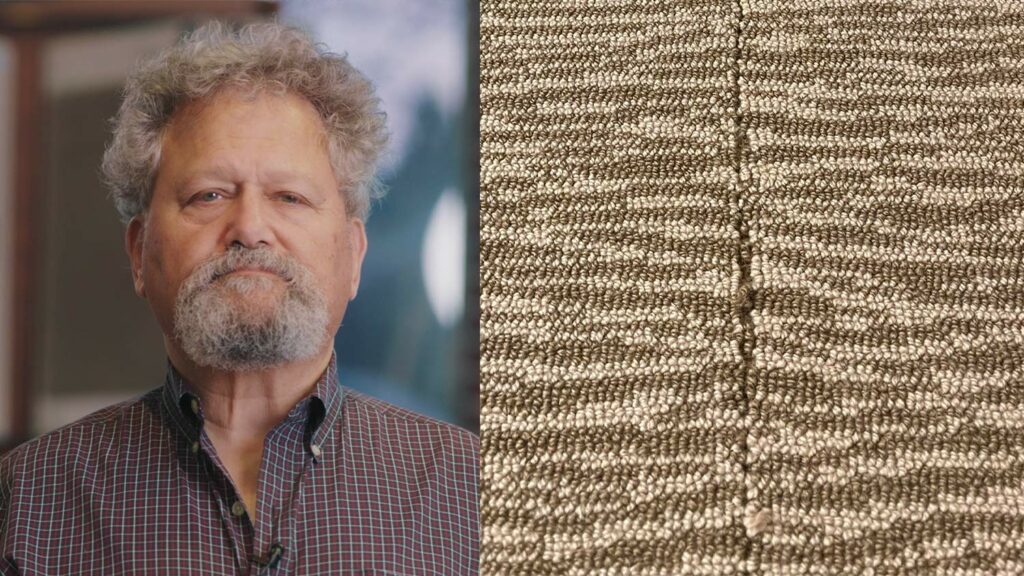
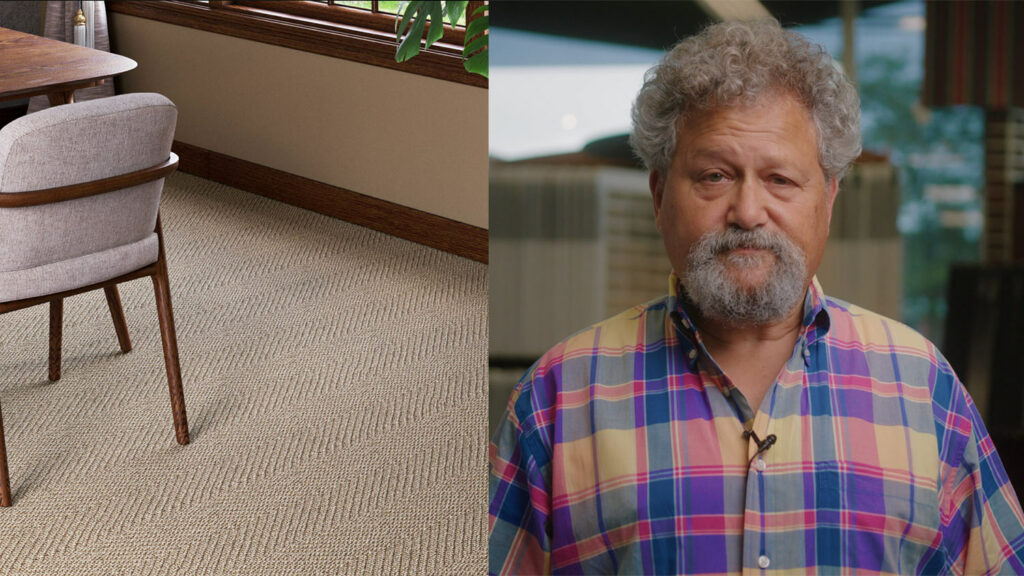
Designers: if your carpet choice relies on hundreds—or even thousands—of ultra-fine decorative threads, your client needs to understand the risks.

There’s no single “correct” stair runner width—it depends on how your client’s stairs are actually used. In practice, stair runners typically range from 27” to 48”. We’ll help you decide what works best in your client’s home.

Designers: if your carpet choice relies on hundreds—or even thousands—of ultra-fine decorative threads, your client needs to understand the risks.

Avoid unwelcome surprises on installation day. Before specifying a thick woven carpet, it’s important to confirm that existing doors will clear both the carpet and the pad underneath.

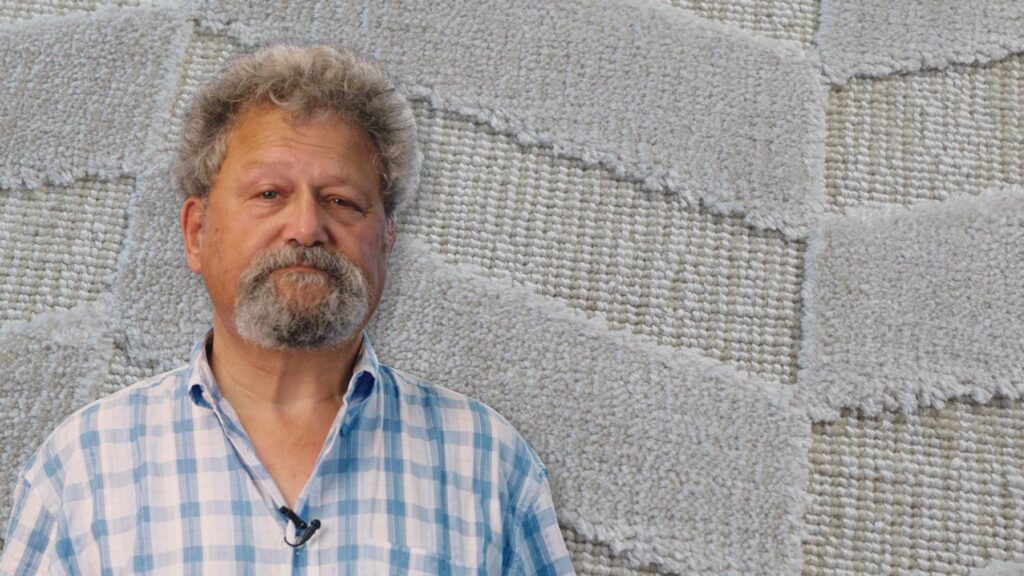
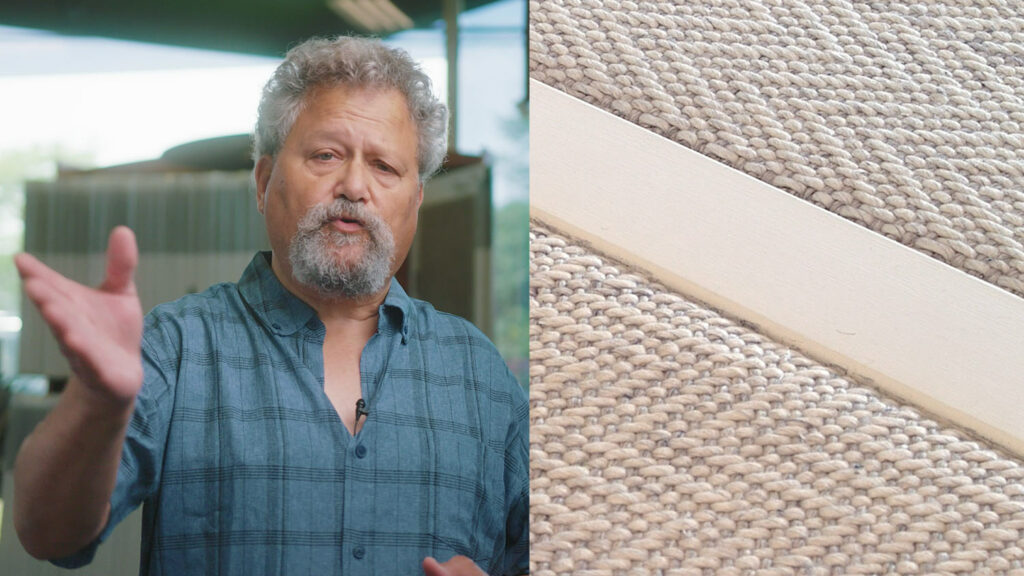
Thick, hand-loomed wool carpets make beautiful area rugs and hallway runners. But on staircases, some of these dense constructions can “grin”—yarns separate over the stair nose and the backing becomes visible.

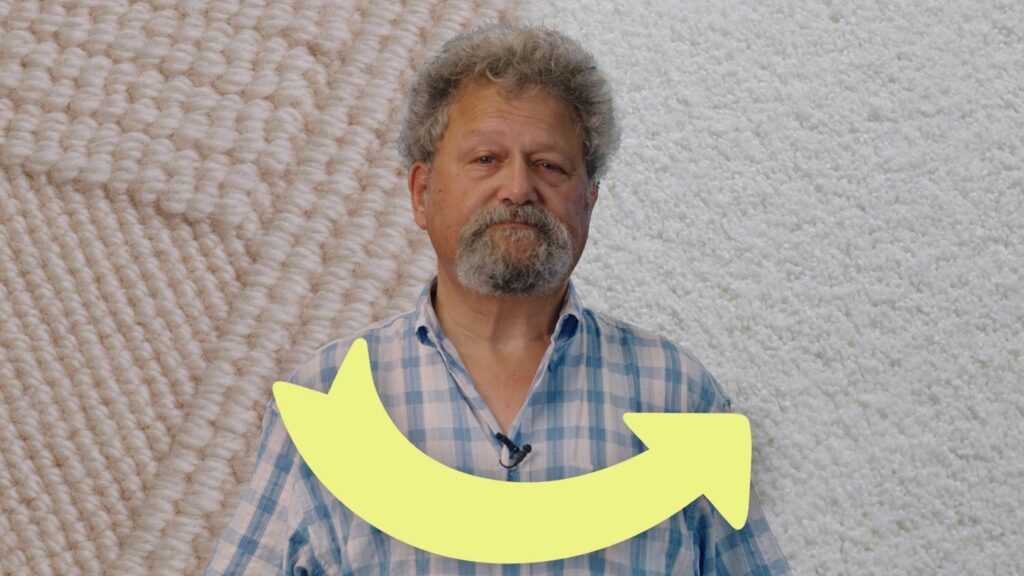
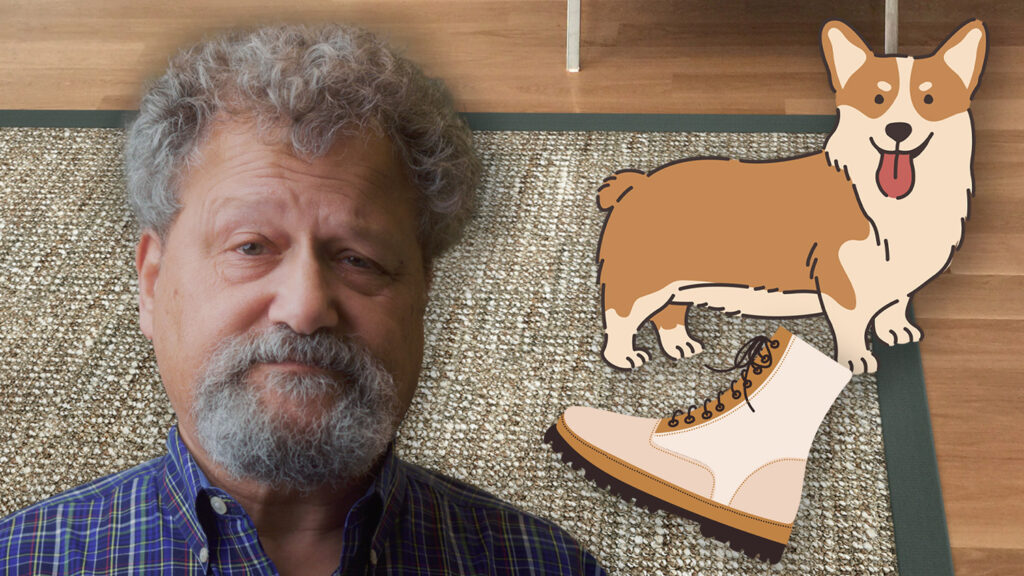
We’ll be honest—some intricately woven carpets scare us. Yes, their designs are stunning and texturally rich. But paws or shoes can easily make those carpets unravel. That’s why we always start with one question: “How will your carpet be used?”

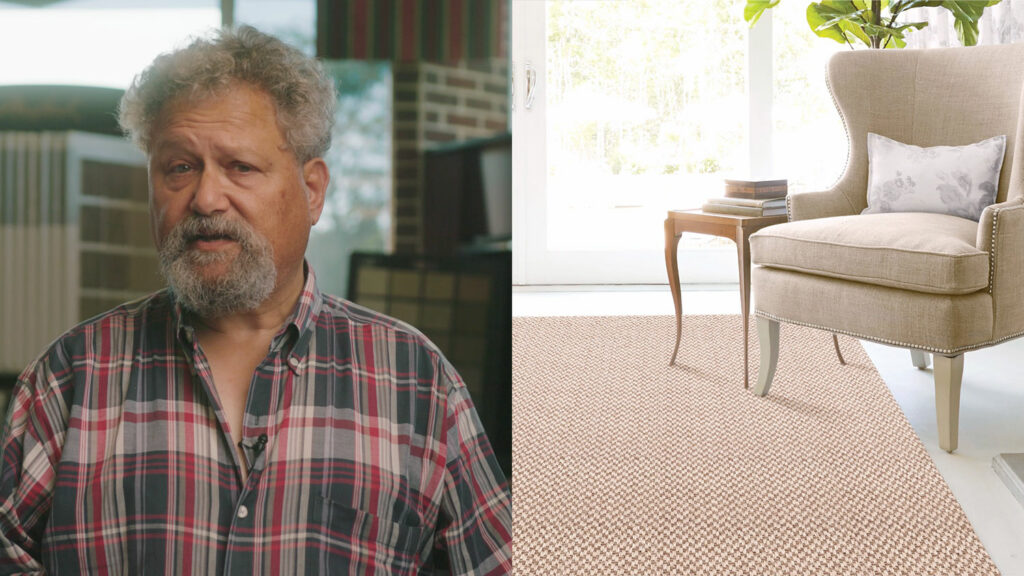
Wilton wool carpets have long been a gold standard in luxury design. But if your client needs extra durability—or a friendlier budget—we have exciting news. Today’s woven polypropylenes from Stanton and Silver Creek are so elegantly woven that they can look just like wool. It’s getting harder and harder to tell the difference… compare for yourself at our Middletown showroom.

The highest-end carpets and stair runners (like Roger Oates and Knot & Co.) often take 12–16 weeks to arrive. Yes, you read that right. Plan ahead and order early so your high-end carpet is ready when you need it. And if it arrives early? We’ll store it for you in our warehouse until installation day.

Symmetrical reveals look great—but they aren’t always practical. When that’s the case, you can plan furniture placement in a room so you don’t see every corner. Or for stair runners, sometimes a wider reveal will disguise any slight unevenness of width from step to step.

Transitioning from carpet to a hard surface floor in another room can be tricky. You’ll need to know the dimensions of several pieces, including tack strips, pads and more—all while keeping in mind that subfloor unevenness can muddy the picture. Why not make your life easy? Give yourself margin for error by undershooting your estimate and using a transition strip to hide any subtle thickness difference.

Do NOT take backorder dates at face value. In this age of tariffs, we don’t believe what manufacturers are telling us. Ask specific, detailed questions to catch issues early, before they turn into bigger problems for your project.

Scotia moldings and quarter rounds may be skinny, but they can cause big problems when installing stair runners. Learn how to identify these moldings and always discuss a plan with your installer. Otherwise, your client could end up with a lumpy carpet on their stairs.

Increasingly, directional designs are running horizontally across the width of the roll. That has implications for laying out designs and seaming in a room. Ken gives you a quick tip for figuring out pattern direction when examining a carpet sample.

Tariffs aren’t just raising prices on floors, they’re also impacting the AVAILABILITY of products manufactured certain countries. When you find a product that you and your client love, be sure to check whether it’s in stock immediately—or risk scrambling for a solution if it’s on infinite backorder.

Ensure your flooring installer has a plan for the door jamb. Moving from a thicker product (like 3/4” hardwood) to a thinner product (such as vinyl plank) can result in large and ugly gaps at the doorways.

Stair treads require serging and binding in the exact spot where foot traffic is heaviest! We prefer half runners instead. They allow you to see the riser, but the carpet is tucked underneath the nose—creating a far more durable installation.

Years ago, woven carpets allowed for cleaner cuts and easier seaming. Today, loops tend to run in multiple directions—leading to loose ends no matter where you choose to seam. That requires your installer to be METICULOUS about gluing each loose end back together.

Everyone would like to avoid ending up with “dated” floors. But at the end of the day, our advice is simple: Unless your client is thinking about selling their house in the near term, they should go with what makes them happy.

Linoleum fits neatly into the ‘mid-century modern’ design resurgence. It comes in a rainbow of colors and offers durability at a great price without trying to imitate other products like wood or stone.

Carpets are manufactured in rectangles, but many some spaces may entail the risk of awkward rug corners that are constantly walked on. The solution is simple: Create a custom round or oval shape that matches the space.

If you can’t find a replacement tile of the same size, choose a smaller or thinner tile instead. You can always make up the difference with grout or mortar.

Remember, carpet needs to RELAX. This is true for woven carpets AND tufted carpets that have a secondary backing. Turn up the thermostat.

Designers MUST be aware that backorder dates for overseas carpet should be taken with a grain of salt. No matter how beautiful the material is, be very cautious if your client has a hard deadline.

Yes, hardwood is beautiful. But nails and water bowls are “ruff” on all wood products—scratches are inevitable. Luxury vinyl products stand up better to wear and tear—and especially those pet accidents.

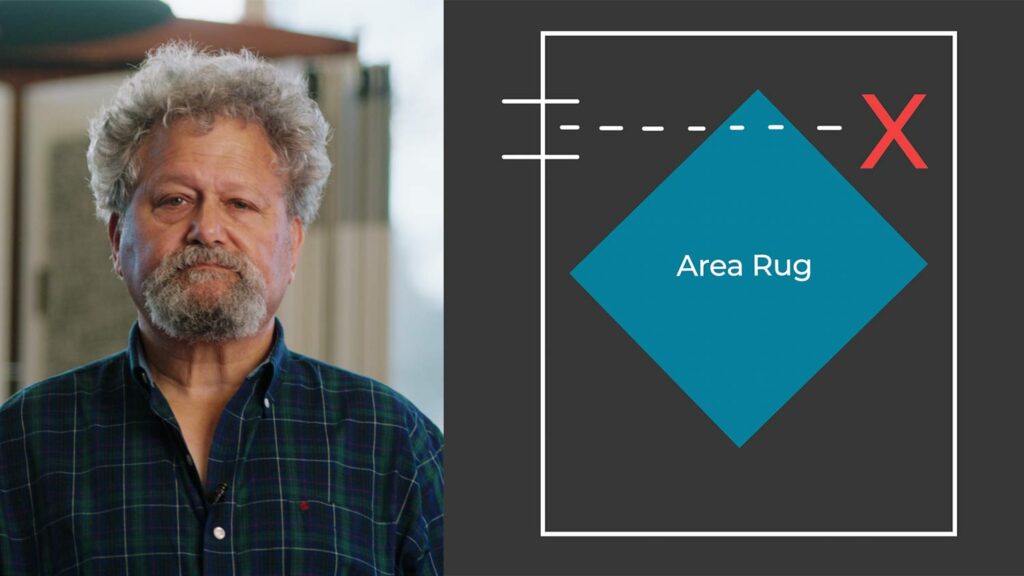
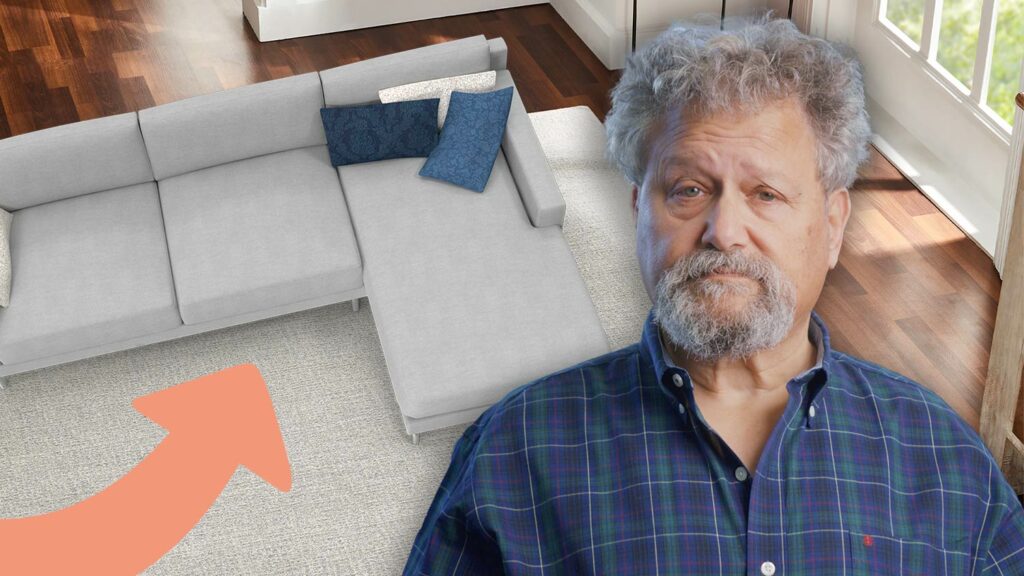
Choose your client’s furniture first, then create a rug to match the way they live. Yes, you’re no longer limited to 6’x9′ or 9’x12′ rugs.
Give your client more control over the final result—including having a full tile piece in more visible areas or where the wall turns.
Carpet must sit tightly between the edge of the tackless strip and the baseboard or the wall—not possible with a quarter round.

For carpet samples, what you see is NOT always what you get. Different dye lots produce subtle differences in tint.

Lots of clients love serging, but we urge you to avoid it for stair runners that extend into hallways. Why? Hall runners receive foot traffic on serged edges AND that piece is stapled to the floor.

You may have heard the famous London Underground command “mind the gap.” But this phrase isn’t just for boarding trains. Yes, many boats and commercial buildings put a HOLE in the middle of tile and wood floors for recessed rugs.

Wool carpets don’t off-gas and are better for the environment. But if you want to TOTALLY avoid synthetic fibers, we have a solution. Purchase an undyed wool carpet with no latex backing. Wool carpet pads are available too!

Floors are big purchases. Before your client commits to a patterned carpet, make sure they see that carpet in a larger space. You can find room scenes online or directly on the sample board itself.

If you or a client are comparing products and want a more color accurate photo, stick something white (like paper) in the frame. Your phone will automatically adjust its colors to the white of the paper.

Exploding floors, jagged cuts and bumpy installations are just a few of the horror stories we’ve encountered when contractors and handymen say they can do anything. Avoid unhappy clients—choose craftsmen with a long experience of DOING the work.

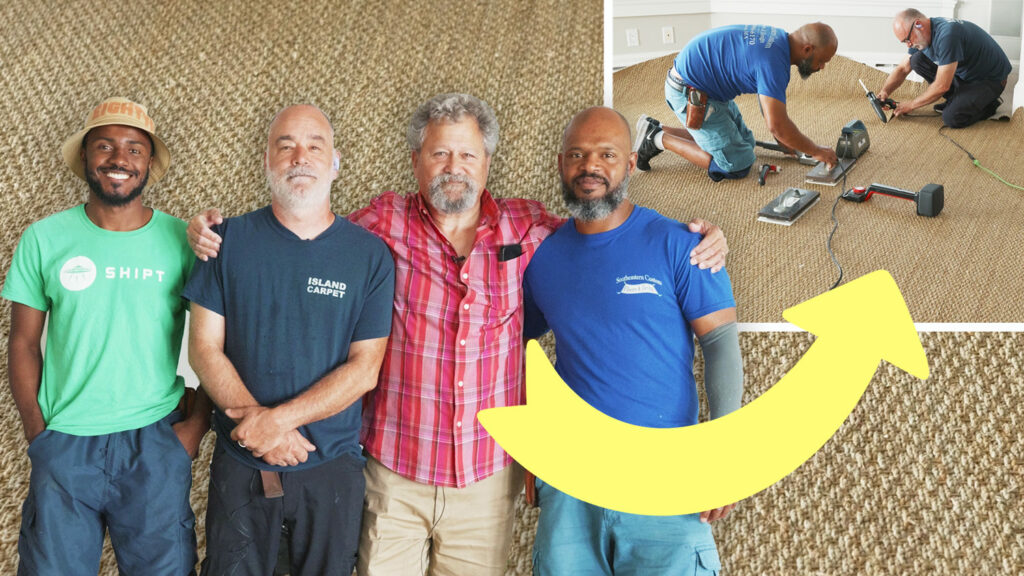
We filmed at a beautiful Middletown, RI home to show you exactly how our master craftsmen install seagrass with seams. The takeaway? This complex process requires years of experience to get the job done right.

The whitest carpets, the softest carpets and the most stain-resistant carpets are all made of materials like nylon and polyester.

We won’t ever recommend viscose or Tencel carpets. Yes, they make your rugs glitter, but they are flimsy and hard to clean. Get the same look (with none of the cleanability concerns) by choosing carpets with nylon or polysilk highlights.

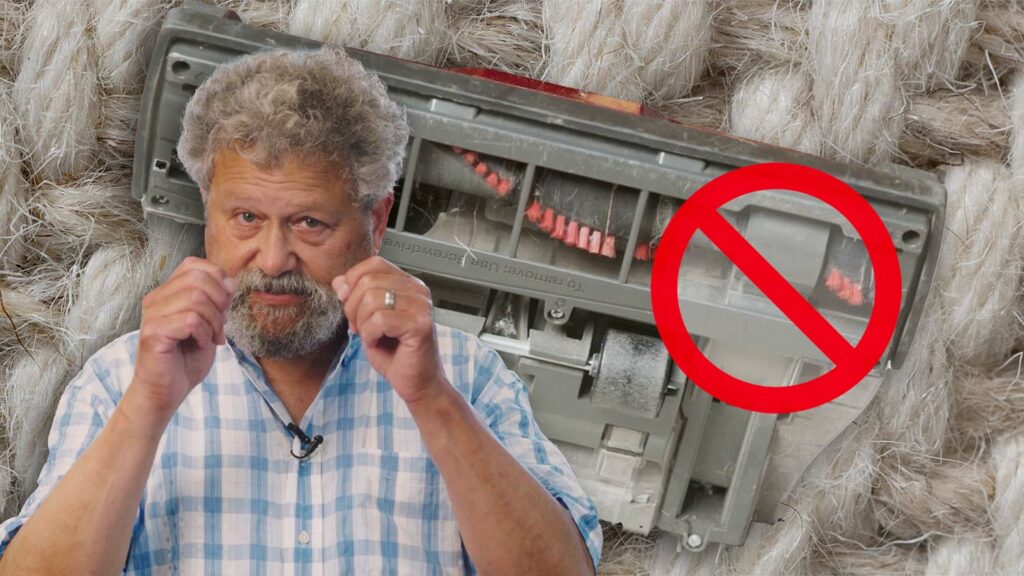
Woven wool carpets are a big investment. If you use a common beater bar vacuum, you risk pulling pieces of your expensive carpet apart. If you want your wool carpet to last for as many as 20-30 years, be careful with your vacuum choice.

Luxury carpet as delicate as a soufflé? These four elegant choices may not stand up to pet scratches or shoes. Tread carefully—perhaps in a bedroom with socks only.

Ken lays down his rug rules—including no rugs bisecting walkways and doorways. This week, we’re wondering if YOU have any rug rules, whether about placement, design, material, color and more. Leave your comments below!

If you saved leftover pieces from the original job (and, in the case of a runner, remember the original binding color) it’s possible to restore your stair carpet to its original appearance.

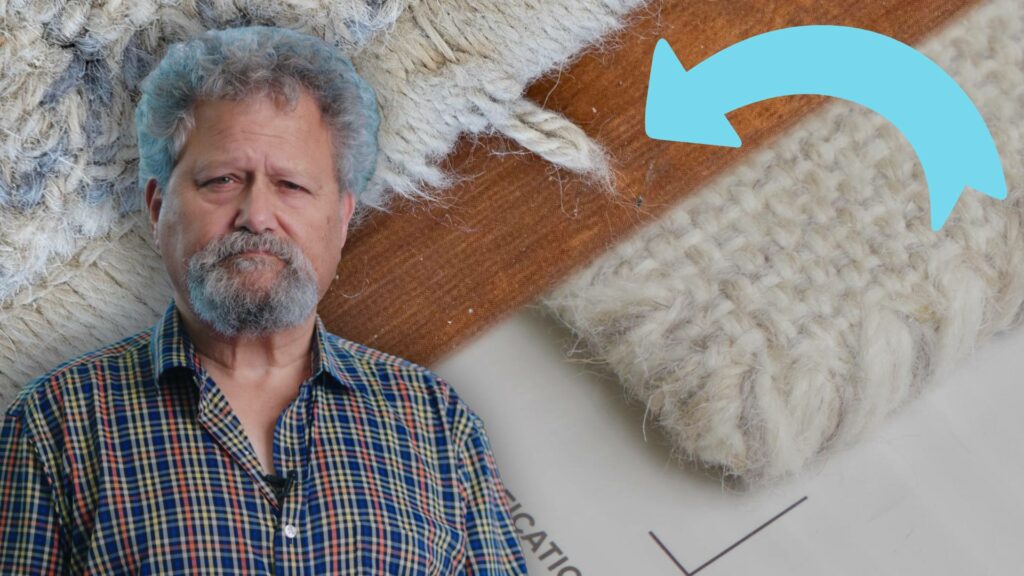
We love the artisan look of serged rugs, but they are delicate. In under a year, the serging on our showroom rug is already coming undone!

Where is your client’s furniture going to be? Thanks to custom size rugs, you can layout your room FIRST, then pick your rug sizes after. Today’s carpets now come in larger 15’ and 16’4” widths, giving you even more creative freedom.

Want to make sure your client loves their new hardwood floor? Start small with a single box of wood. Concerns with color/character variation and plank width need to be resolved BEFORE installation.

Wide-width woven carpets are getting popular, allowing for fewer or even no seams in larger rooms. One problem: They weigh a ton!

Keep in mind: Carpet tile is different than regular carpet! With that said, we love carpet tile for commercial spaces. The patterns and styles have come a long way.

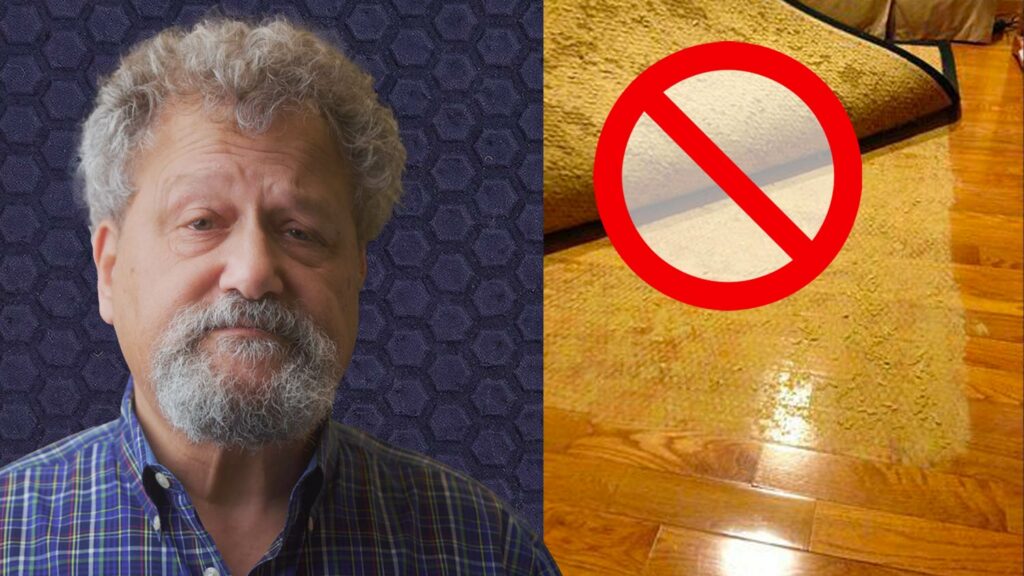
Latex can degrade and ruin the finish on your hardwood floor. Using an additional non-skid pad underneath the rug will offer protection you need.

Stair carpet and area rugs look beautiful with a wide binding. Here’s our warning: Be very wary if your client has pets or expects lots of foot traffic.

To spray or not to spray? For wool carpets and even wool blends (like wool and nylon or wool and polyester) you will get extra stain and soil protection from spraying.

On Ken’s annual visit to Utah’s Little America Hotel, he saw a really bad seam in a recently renovated carpet. Big mistake! For commercial work, beautiful carpets are not always better.

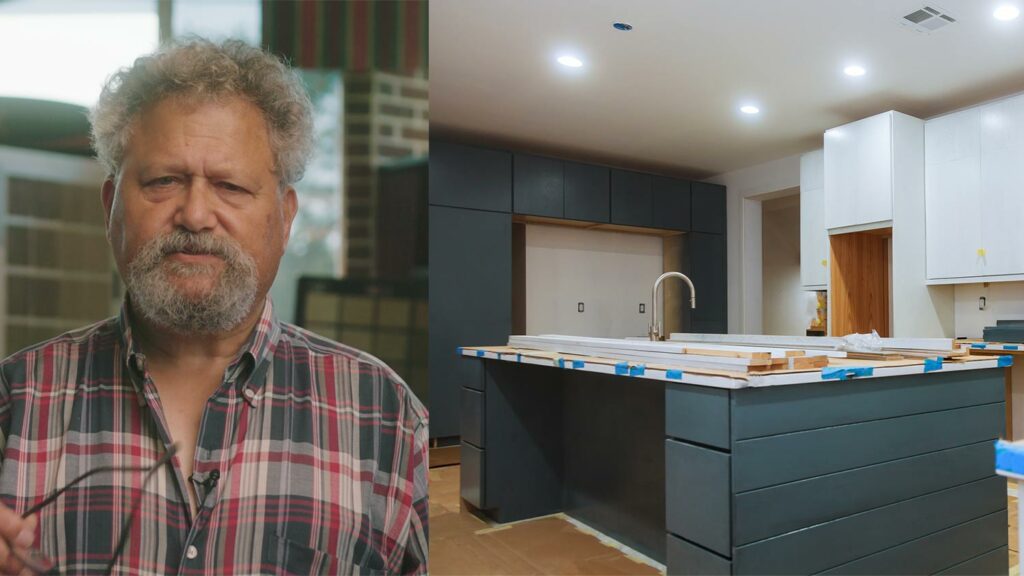
We loved Architectural Digest’s recent article: 13 Kitchen Remodel Mistakes for Designers to Avoid. Ken discusses four important flooring-related points.

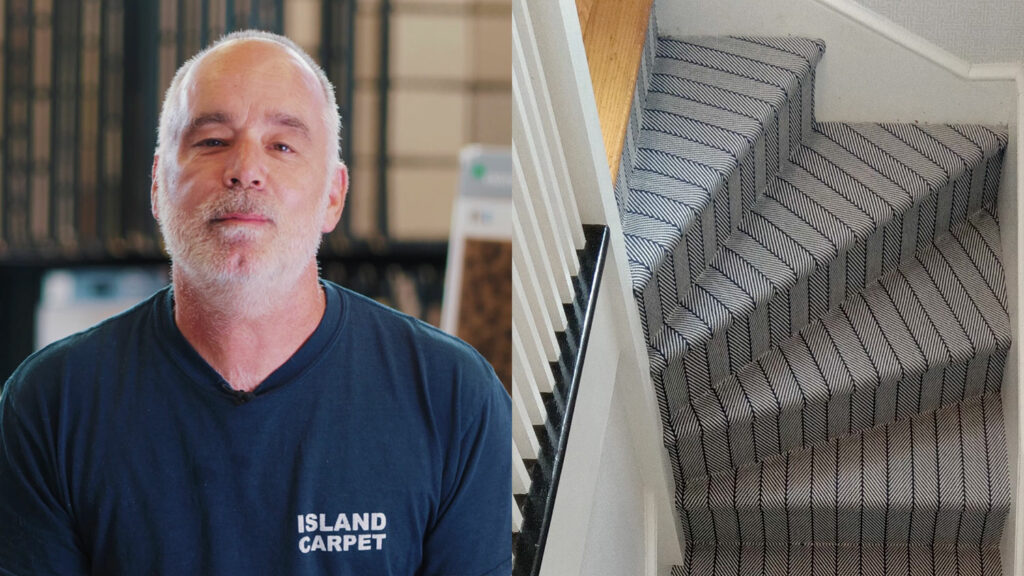
When you client’s stairs have turns, there’s no need to limit carpet pattern choice. Our master craftsman Jody Tucker talks about the tricks for nailing the installation—including the need to keep the pattern symmetrical on the inside turn.

What does sisal carpet and Frankenstein’s monster have in common? They’re alive! Don’t let your client’s sisal carpet crawl up the walls or rip out tack strips. Sisal should always be glued to the floor or to a pad for wall-to-wall installations.

Flat woven wool and sisal carpets are a significant investment. Make sure your design clients know how to take care of them properly.

Carpets with a clear linear direction require special thought. Here’s a quick tip for when you don’t want to run the carpet in the same direction through adjacent rooms: oak saddles!

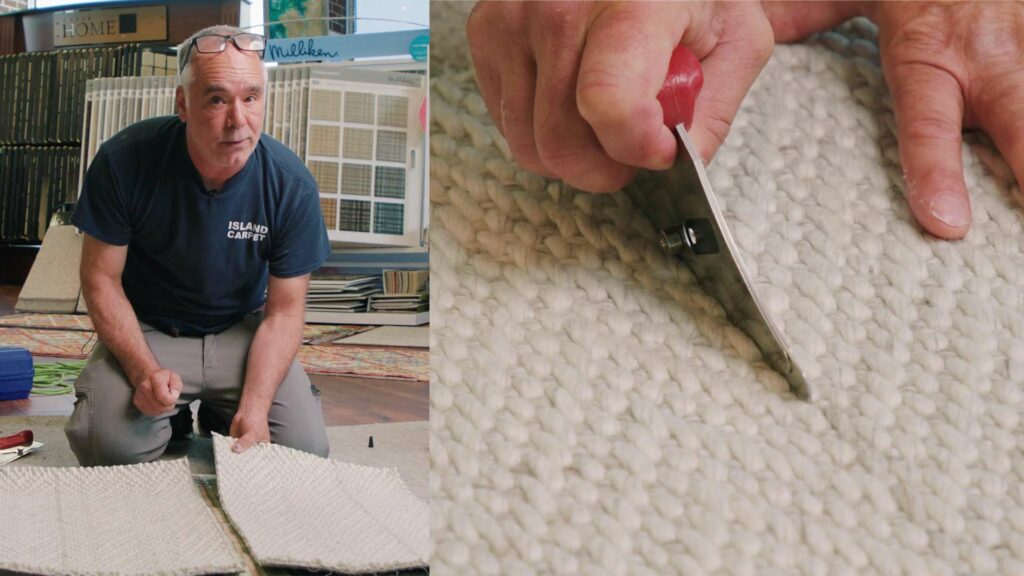
Every detail counts when it comes to these 4 important steps for seaming a woven carpet. Missing the mark on just one of these steps can lead to a failed installation of an expensive product.